Building What Comes Next
October 7, 2026
As we head into the final months of 2026, there is a lot happening across the Texas Society of Architects ...
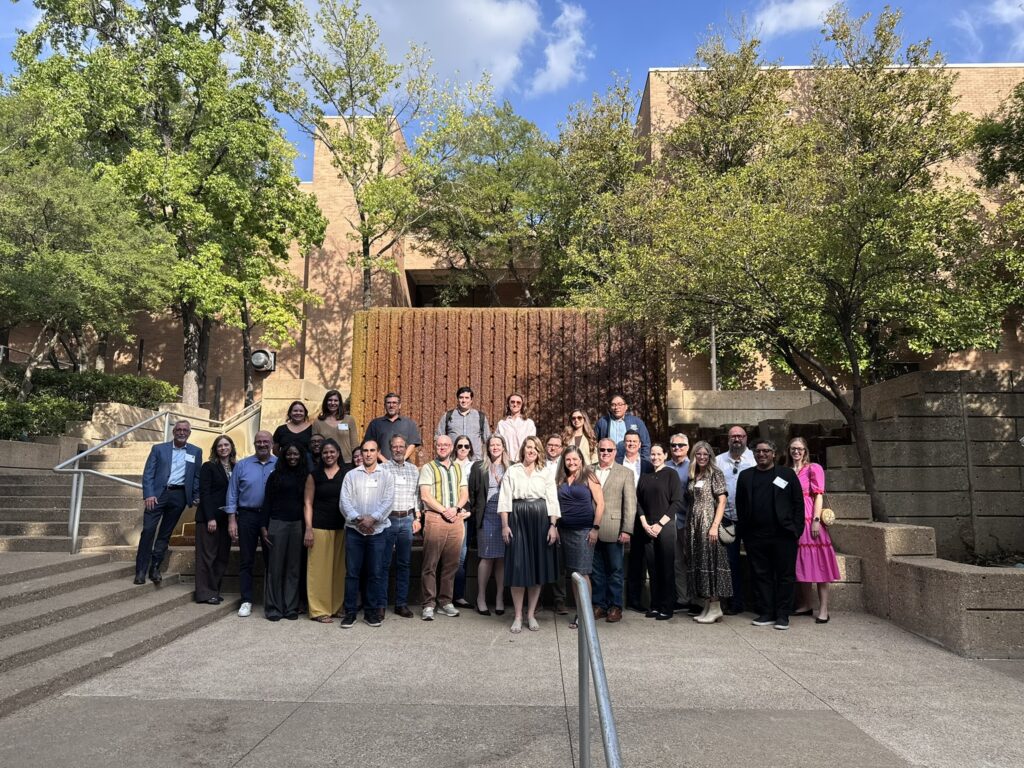
We are pleased to announce the recipients of Texas Society of Architects’ 2026 Honor Awards! These awards recognize exceptional members, firms, individuals, and organizations for outstanding achievements in support of the profession of architecture, the built environment, and quality of life in Texas. Recipients will be recognized at the TxA26 Annual Conference & Design Expo, which will take place on October 15–17 in San Antonio.
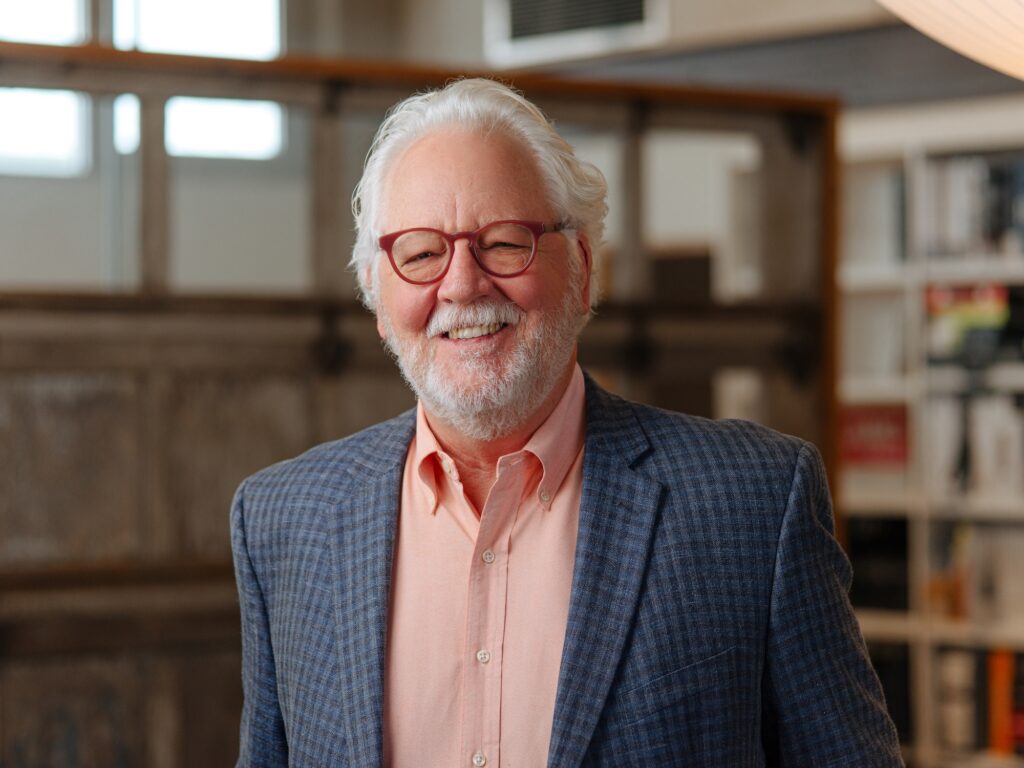
Mike McGlone, FAIA, senior principal and co-founder of Alamo Architects, has spent more than 45 years shaping Texas architecture through visionary design, steadfast leadership, and an unwavering commitment to service. Throughout his career, McGlone has sought to elevate design and building processes in equal measure and to leverage the value of collaboration and engagement. He has helped grow his firm into a multidisciplinary design team of 68 and led some of its most prominent projects, including the Fairmount Hotel move and restoration, Pope John Paul II Mass site, SoFlo Office Studios, and Ruby City collaboration with Adjaye Associates.
McGlone has dedicated more than 25 years to AIA. He served as AIA San Antonio president in 2012, as TxA president in 2018, and, beginning in 2020, on the AIA Strategic Council, where he championed a more diverse leadership pipeline while aligning the organization’s strategic goals for climate action and social equity with the need for affordable housing. For his significant contributions to reshaping AIA policies and practices, McGlone was elevated to the AIA College of Fellows in 2023. He currently serves on TxA’s O’Neil Ford Medal Committee and as TAF president while continuing decades of community service in planning, design advocacy, and neighborhood preservation.
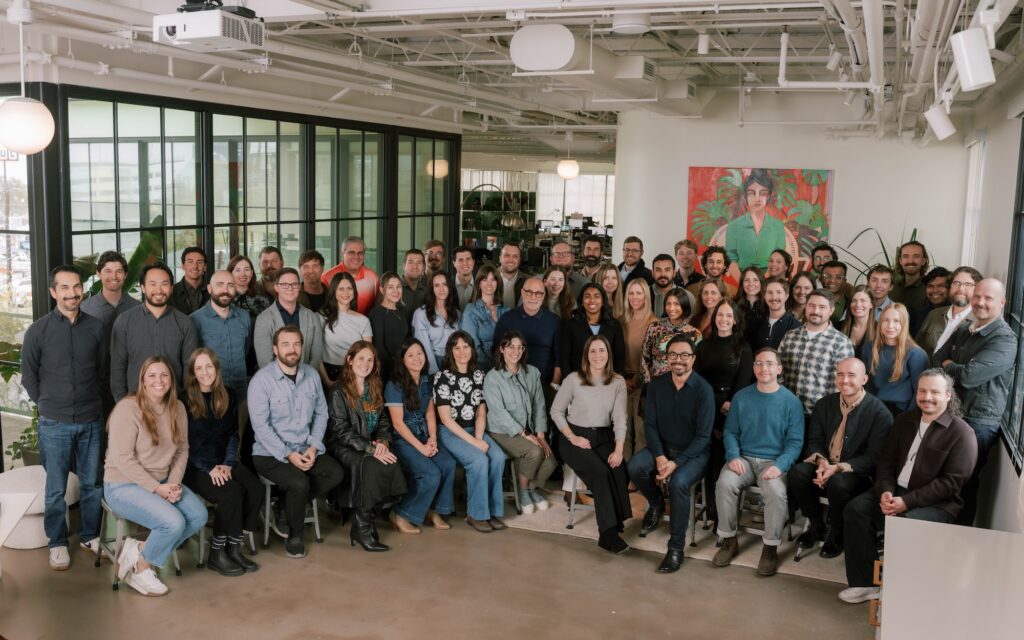
Founded in Austin in 2005 by Michael Hsu, FAIA, Michael Hsu Office of Architecture is a nationally recognized architecture and interior design practice with more than 60 employees and offices in Austin and Houston. Distinguished by the breadth, consistency, and emotional resonance of its work, the firm has helped shape the urban landscape of Texas with projects like Uchi, South Congress Hotel, Montrose Collective, P. Terry’s Flagship, and Habitat for Humanity Row Homes. Across hospitality, mixed-use, adaptive reuse, public realm, workplace, and residential projects, the firm has demonstrated that design at every scale can be culturally specific, materially thoughtful, and deeply human.
MHOA is organized around a distributed leadership model and is recognized for empowering emerging professionals to lead projects and firm initiatives, placing them in meaningful leadership roles while principals serve as design critics and strategic advisors. The firm’s collaborative “We, Not I” philosophy has fostered a culture of shared authorship, accountability, and design excellence. The firm also maintains a strong commitment to community engagement, pro bono design, and professional organizations, including AIA Austin, NOMA Houston, and NOMA Central Texas, supporting initiatives that expand leadership opportunities and foster a more inclusive profession.
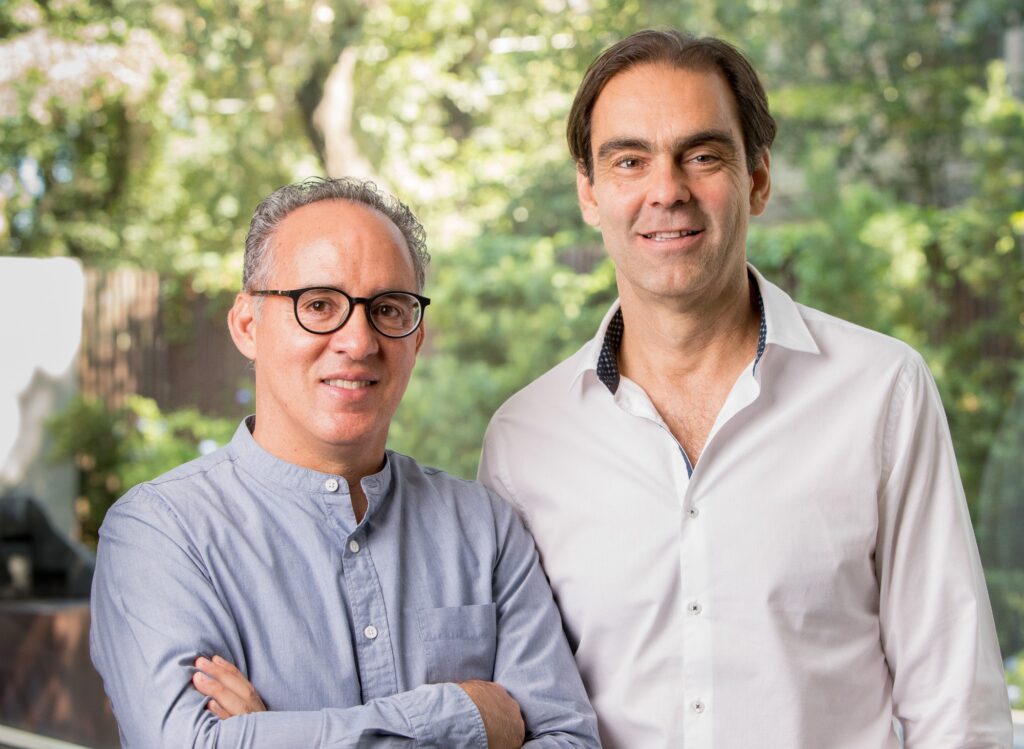
Juan Miró, FAIA, and Miguel Rivera, FAIA, are founding partners of Miró Rivera Architects. Collaborators since 1997, they have created a body of work spanning a remarkable range of scales, types, and locations, with each project reflecting a deep understanding of the client’s program, the uniqueness of its site, and its cultural context. Among their most notable works are the Lake Austin Pedestrian Bridge, Chinmaya Mission, Trail Restroom, and Circuit of the Americas Observation Tower and Grandstand in Austin; the Hispanic Association of Colleges and Universities in San Antonio; Rice Student Center in Houston; and Crítica in Monterrey, Mexico.
The Ford Medal jury commented that Miró and Rivera possess a remarkable ability to reveal the extraordinary within the ordinary. Said one juror: “Like the work of O’Neil Ford, their architecture is simultaneously rooted in landscapes and material traditions while remaining open to contemporary experimentation. Their work is distinguished by an exceptional sensitivity to climate, craft, light, and the poetic relationship between building and site. Their projects often seek a quiet intensity, where structure, material, and landscape are woven together to create places of enduring cultural and environmental resonance.”
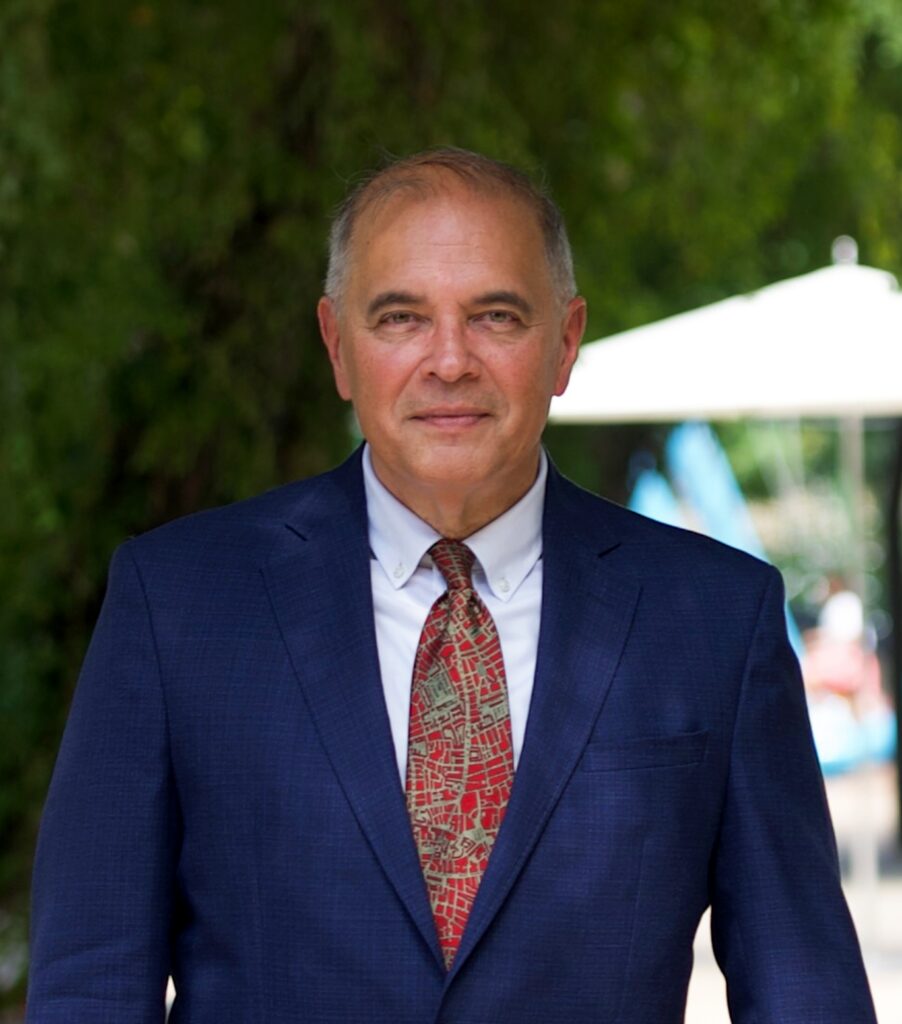
Andrés Andújar is a visionary who has boldly led transformative urban design and placemaking projects in San Antonio and beyond. As CEO of the Hemisfair Park Area Redevelopment Corporation from 2011 to 2025, Andújar led the transformation of the neglected 90-acre former World’s Fair site into a vibrant district of parks, residences, businesses, and cultural amenities. Previously, he conceived the vision and secured rezoning for the city’s River North district. This effort converted a bleak urban corridor into a thriving, walkable downtown neighborhood celebrated for its culture, entertainment, and community spaces.
Andújar guided billions of dollars in urban development, infrastructure, transportation, and mixed-use projects throughout his 45-year career, with his unique insights and collaborative approach enhancing quality of life and economic development in communities across Texas and internationally. Since retiring from Hemisfair, Andújar continues to contribute to major civic initiatives as a senior advisor for the new downtown San Antonio Missions ballpark, the Lone Star Brewery redevelopment, and South Texas Medical Center planning efforts.

Duncan Fulton, FAIA, is founder and retired chairman and CEO of GFF. For more than 40 years, he has exemplified the citizen architect through sustained leadership in Dallas civic life. Fulton has served the AT&T Performing Arts Center, Dallas Arboretum, Methodist Health System, Dallas Theater Center, Dallas Assembly, and City of University Park, guiding projects ranging from work on the historic DeGolyer House and Kalita Humphreys Theater master plan to the revitalization of Snider Plaza and the creation of seven new major medical centers. More recently, he has been helping to lead the campaign to preserve I.M. Pei’s Dallas City Hall, making a forceful public case for its preservation.
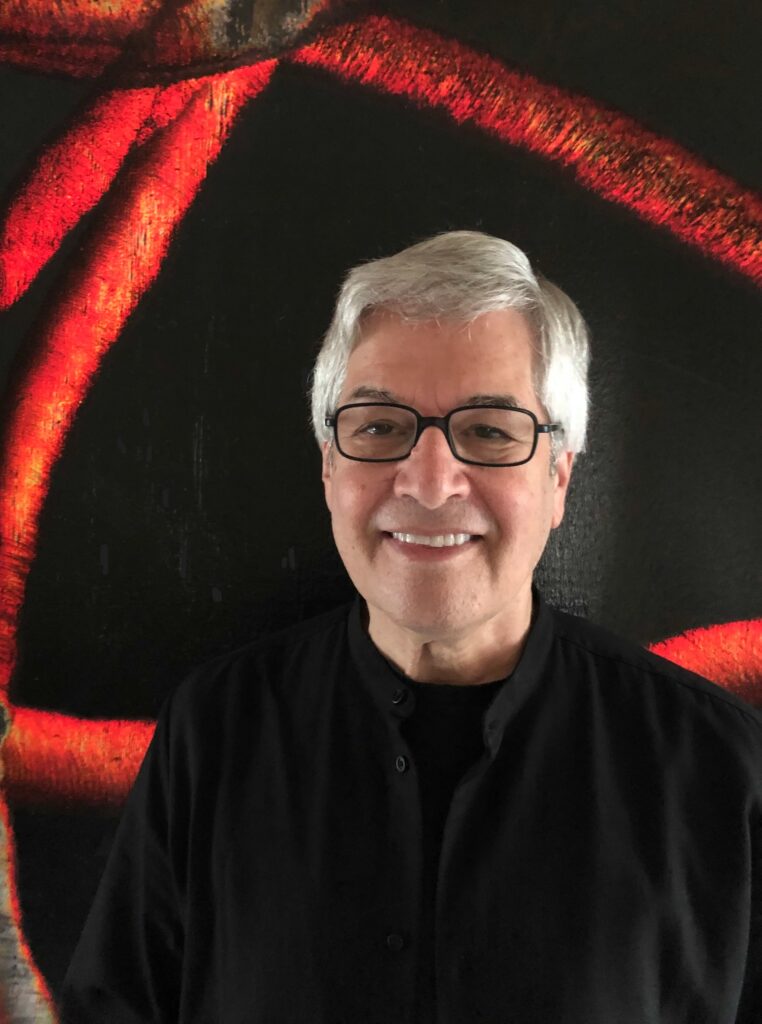
Peter Jay Zweig, FAIA, is a professor at the Gerald D. Hines College of Architecture and Design at the University of Houston, where he has taught for 46 years and offered more than 120 courses across graduate and undergraduate programs. He pioneered the college’s internationally recognized “chapter” studios, leading multi-year investigations of global challenges that culminated in publications and traveling exhibitions, including the Global Arts Affairs Foundation Prize–winning exhibition at the 2014 Venice Architecture Biennale. Through these studios, more than 300 students have explored architecture’s capacity to address critical local and global issues, establishing an educational model unmatched in architectural education.
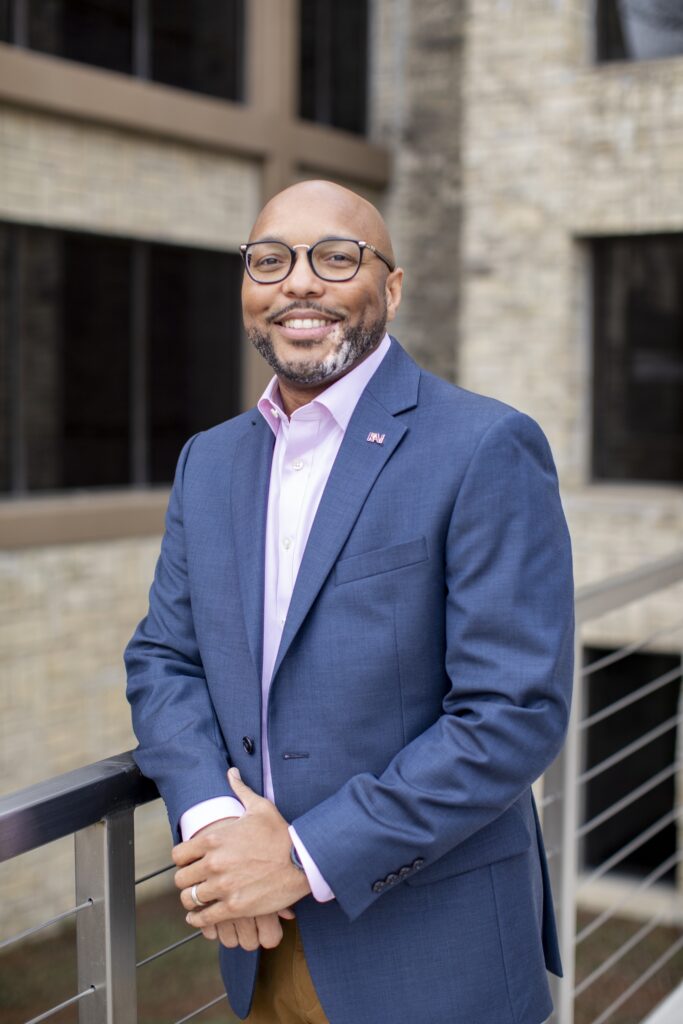
Brien Graham, AIA, NOMA, is civic, municipal, and cultural market leader at KAI Design and has served as a strategic equity leader across all levels of AIA and NOMA. He is a pipeline builder whose work is marked by deep commitment to mentorship, licensure, scholarship initiatives, and youth outreach programs. Graham is the NOMA South Region vice president, serves on TxA’s Nominating Committee, and recently completed a term on the AIA Strategic Council. He is recognized for helping to expand the EDI conversation and establish an architecture summer camp at AIA Dallas, and for guiding the adoption of equitable practice principles at his former firm, LPA.

Kate Aoki, AIA, is co-founder and director of design at the exhibit and design consultancy Golden Egg Creative, where she draws on her years at DSGN Associates and as head of exhibition design at the Dallas Museum of Art. She served as president of AIA Dallas in 2023, prioritizing membership engagement and EDI while leading an overhaul of the chapter’s website and publications. She has also served on the TxA Government Affairs Steering Committee and TAC Advisory Board. As an adjunct professor at UTA and board member of the Dallas Architecture Forum, Aoki is committed to mentoring emerging professionals and advancing design culture in Dallas.

Corey Guidry, AIA, is an architect and project manager at Fitzpatrick Architects, where he has worked since joining the firm as an intern in 2011. Committed to professional growth and mentorship, he supports colleagues pursuing licensure, trains new interns, and helps foster a culture of learning within the office. Guidry is recognized for helping to lead the transition of the Northeast Texas chapter to a section of AIA Dallas, organizing local events, and developing videos highlighting historic buildings across the region. He also engages students through outreach programs and has led teams in design competitions including the NASA Mars 3D Habitat Challenge.

Molly Hubbs, AIA, is an associate at McKinney York Architects, where she has led major public and institutional projects including the Covert Admissions Welcome Center and College of Education Renovation at UT Austin and the new Texas State Library and Archives Commission facility. A longtime leader within AIA Austin, she chaired the 2021 Homes Tour and guided the development of its first hybrid format during the pandemic. Hubbs also served as the chapter’s Outreach and Practice Commissioner in 2024–25 and is the current Design Awards Committee chair. She advocates for her community through neighborhood and professional leadership initiatives.

Fallon Marie Barrett, Assoc. AIA, NOMA, is assistant project manager in the City of Houston’s General Services department, where she oversees capital improvement projects across municipal facilities. At AIA Houston, she serves on the board as City of Houston liaison and previously chaired the Kids + Architecture Committee, leading the arcHERtect Camp for K–8 students. At Houston NOMA, she serves as chapter secretary and membership co-chair and chaired the 20th Anniversary Gala Committee, which raised more than $60,000 in scholarship funds. Barrett also chaired TxA’s Educational Outreach Committee in 2025, facilitating the TxA Student Design Competition.

Alexandra Chaves, Assoc. AIA, NOMA, serves as lead project manager at Restructure Studio and as a featured designer with its sister company, Arbor Plans. At AIA Austin, she is recognized for establishing the “Profiles” interview video series as a subcommittee of the chapter’s Women in Architecture in response to the national events of 2020. Through this ongoing initiative, she has elevated the voices and experiences of women across the profession. Beyond WiA, Chaves volunteers broadly across the chapter, supports outreach to Latina students, and advocates for EDI through speaking engagements, publications, and personal storytelling.

Arlene Ellwood, Assoc. AIA, is design manager at Mobile Loaves & Fishes, where she helps shape Community First! Village by managing new design projects, developing and maintaining the organization’s design standards, and conducting accessibility audits to support individuals transitioning out of chronic homelessness. At AIA Austin, Ellwood chaired the DesignVoice Committee in 2024, leading several community design initiatives. She later served as Outreach Commissioner and is now on the chapter’s Center for Design Task Force. Ellwood regularly shares her expertise, presenting on inclusive and trauma-informed design to audiences ranging from elementary students to design professionals.
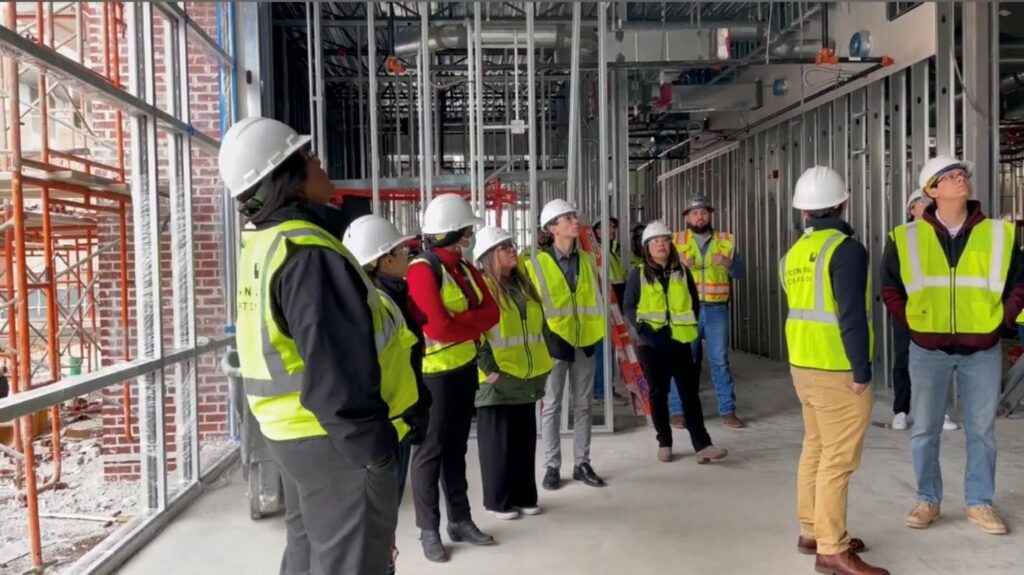
Founded in 2014 by O’Connell Robertson and the Alamo Colleges Foundation, the San Antonio College Architecture & Engineering Job Shadow Day was created to give students firsthand exposure to careers in architecture and engineering. Each year, firms across San Antonio host more than 60 students, providing opportunities to visit offices, tour job sites, and experience a day in the life of a design professional. The experience concludes with a luncheon where students and mentors reflect on lessons learned and discuss pathways into the profession. Since its inception, more than 870 students have participated, with some securing employment opportunities through the program.

Writer, speaker, filmmaker, and award-winning architect Jes Deaver, AIA, uses media and storytelling to advance the profession. She has written and directed two architectural films, MirrorHouse and A Violet Horizon. In 2020, as chair of AIA Austin Women in Architecture, she co-chaired the “Design to Change” virtual conference with AIA New Orleans and led the Design to Change Practice Exchange, using digital media to sustain professional engagement during the pandemic. Through her workshops, podcast appearances, conference presentations, and prolific contributions to industry publications including Texas Architect and The Architect’s Newspaper, Deaver has advanced conversations around land stewardship, resilience, identity, futurism, and the built environment.

Founded by AIA Dallas in 1974, the Ken Roberts Memorial Delineation Competition (KRob) has evolved in its 52-year history into the world’s longest-running architectural drawing competition and a global benchmark for the craft of representation. Through its digital archive and livestreamed awards programs, the program has reached viewers in more than 160 countries, and its content is frequently featured in publications like Dezeen, ArchDaily, and Architizer. By recognizing both traditional drawings and emerging forms of representation like AI-generated imagery, VR, and 3D printing, KRob continues to elevate architecture and Texas architects on a global stage. The competition was named in memory of Ken Roberts, a prominent young architect highly skilled in hand-drawn renderings who led the program in its inaugural year.
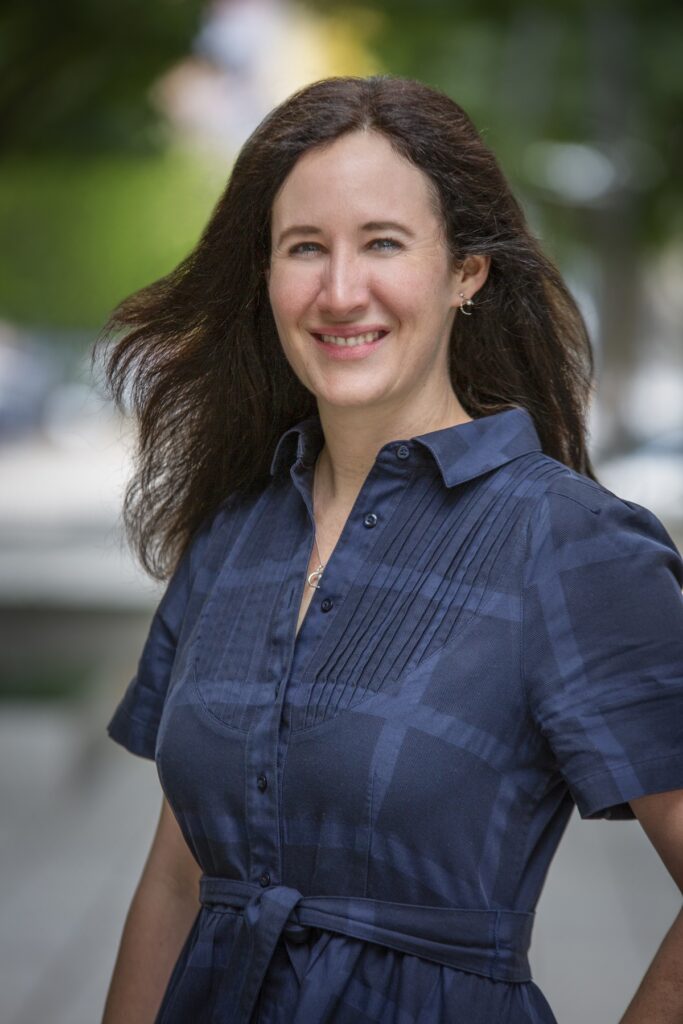
Landscape architect Lisa Casey has strengthened the architectural profession through advocacy, interdisciplinary collaboration, education, and service at the local, state, and national levels. Since joining AIA Dallas in 2015, Casey has played a significant role on the chapter’s Communities by Design, Public Policy, and Columns Magazine committees, broadening professional dialogue around sustainability, ecosystems, resiliency, and inclusive public space. Her advocacy work has supported communities across Texas, particularly through efforts focused on tree preservation and environmental responsibility. She also writes and presents widely on resilient design practices, ecological systems, trauma-responsive environments, and the integration of nature into civic life.
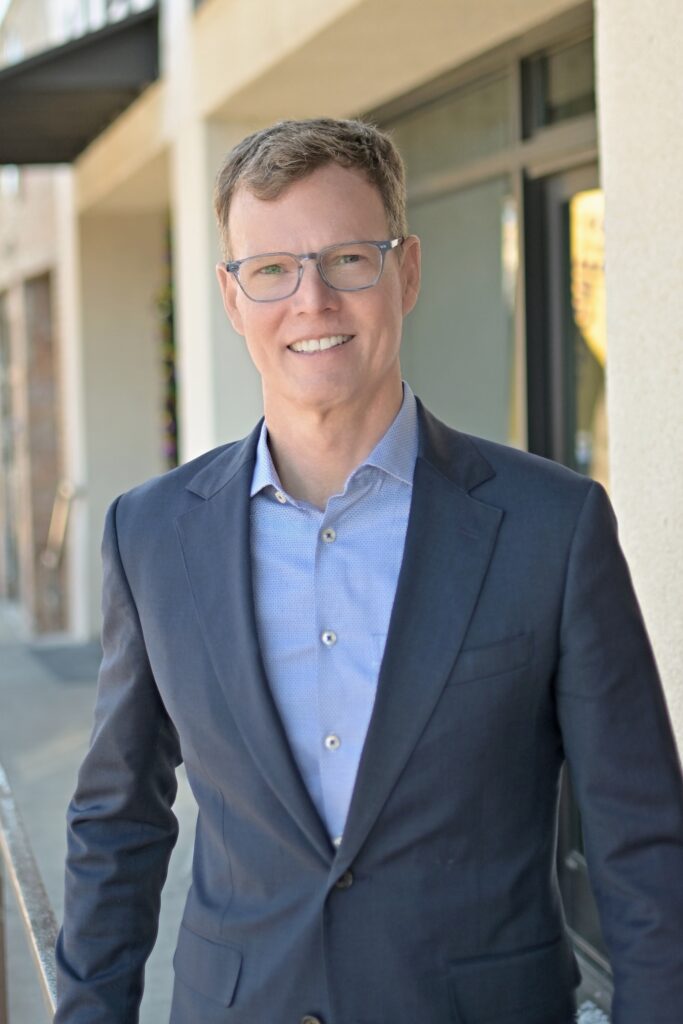
Civic leader and urban planner Mike Brennan joined Trinity Metro this year as vice president of economic development following a 20-year tenure with Near Southside, Inc., where he led planning, redevelopment, and placemaking initiatives across Fort Worth’s 1,400-acre Near Southside district. As author and steward of the district’s form-based code, Brennan replaced conventional use-based zoning with a design-focused framework that empowered architects to prioritize the public realm and pedestrian experience. He volunteers on the board of Community Design Fort Worth and on the Urban Design Commission, ensuring public projects meet the highest standards of architectural integrity.
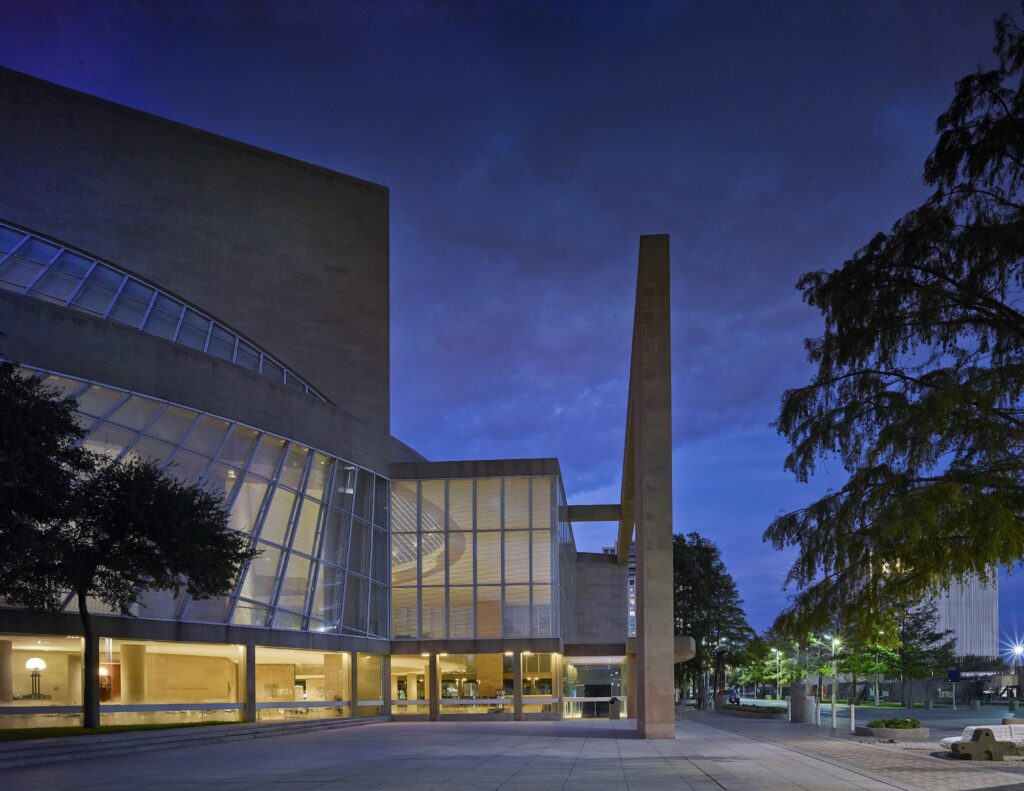
Designed by I.M. Pei and Partners and completed in 1989, the Morton H. Meyerson Symphony Center stands among Texas’ most significant cultural and architectural landmarks. Pei reimagined the traditional concert hall by rotating its shoebox form 26 degrees off the street grid and surrounding it with a curving glass lobby that opens toward the Dallas skyline. The building’s limestone and glass exterior features interconnecting circles, curving planes, and sweeping arches, creating a distinctive civic presence, while its warm interior houses the acoustically renowned Eugene McDermott Concert Hall. The Meyerson helped catalyze the growth of the Dallas Arts District into the nation’s largest contiguous urban arts district.
Architect: I. M. Pei & Partners
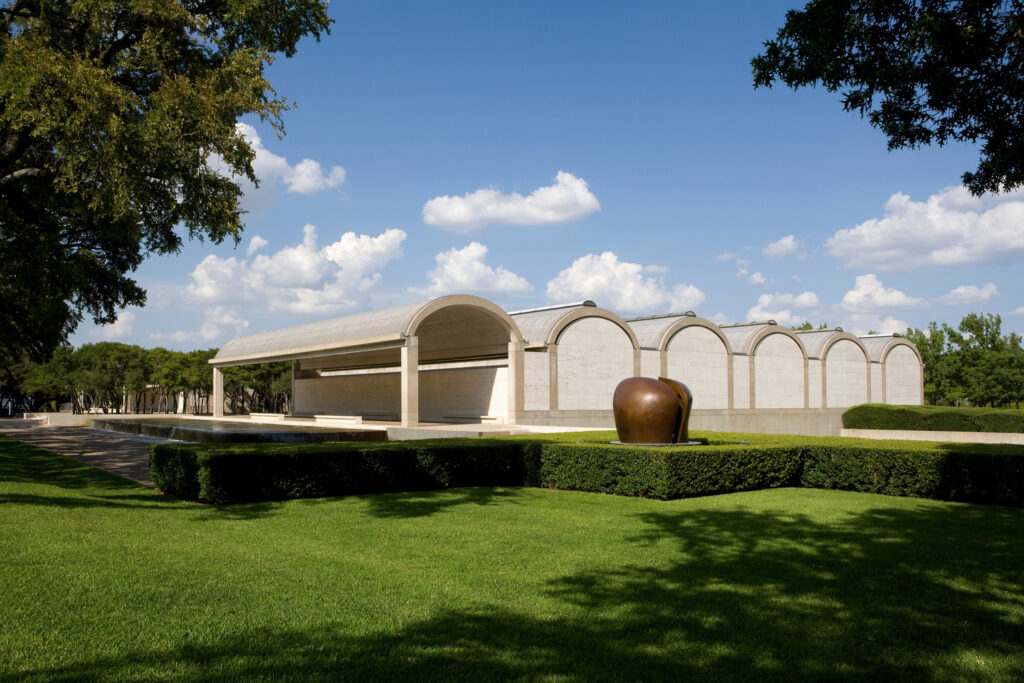
Designed by Louis I. Kahn, FAIA, and completed in 1972, the Kimbell Art Museum is one of the most influential works of architecture of the past century. Through a sequence of cycloid vaults, carefully modulated natural light, and a restrained palette of concrete, travertine, and white oak, Kahn realized a vision in which art, architecture, and light are inseparable. Widely regarded as a masterclass in proportion, structure, and the poetic possibilities of natural illumination, its vaulted galleries, softly washed with indirect light, have become a global benchmark for museum design. The Kimbell has shaped Fort Worth’s identity as a center for world-class art and architecture, catalyzing decades of cultural investment and elevating the architectural expectations of the region.
Architect: Louis I. Kahn, FAIA
Associate Architect: Preston M. Geren & Associates